Kungfused Studio
Art Inspired by Kung Fu
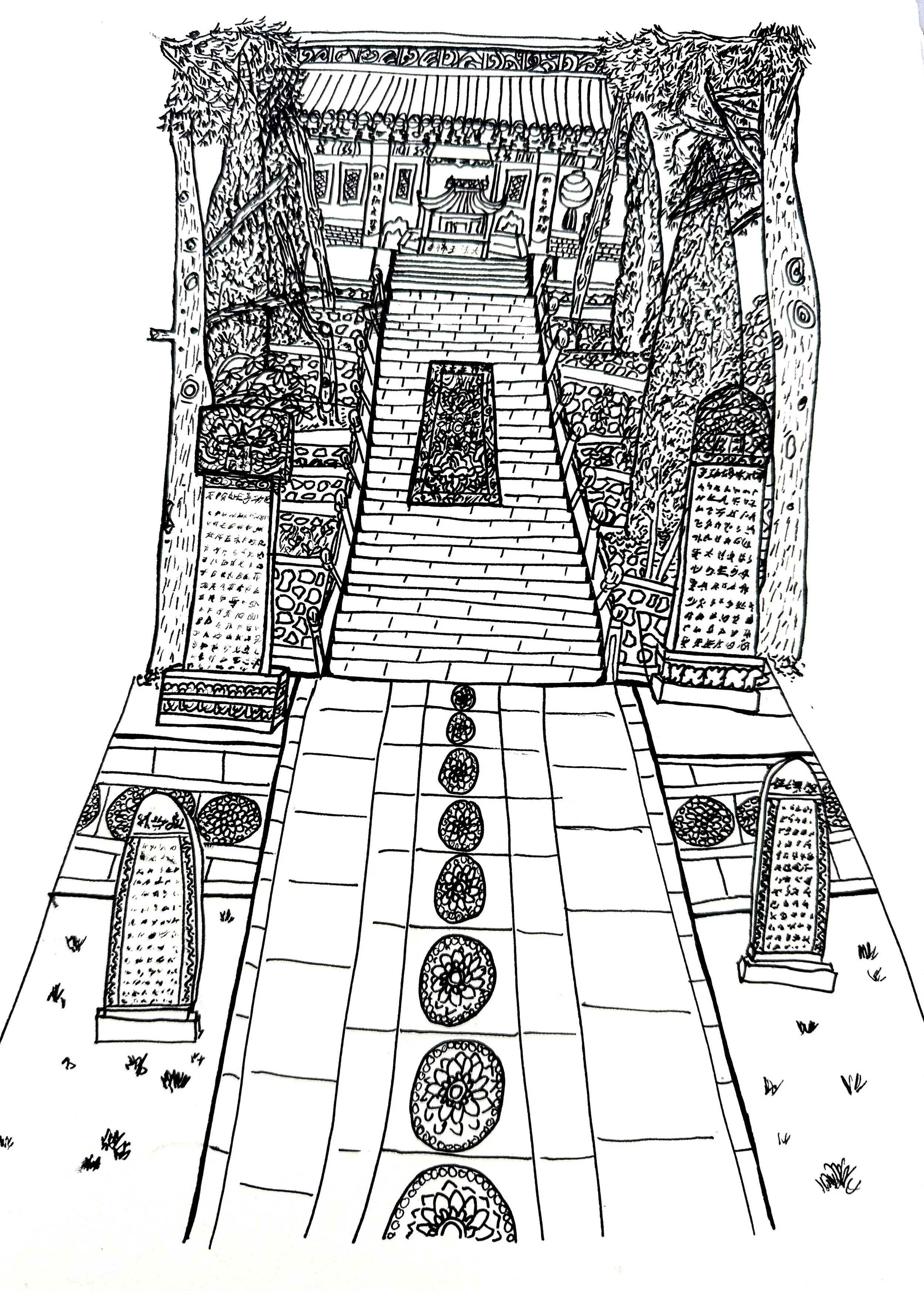
Creativity is an art form, and everything is Kung Fu. While my story began when I first travelled to China to train at a rural school in the Song Mountains, with my continued training, I began to fall in love with the surrounding temples in the Henan Province. In quieter moments, I draw the landscapes by hand. Drawing has become an extension of my meditative practice — and also a creative way to cultivate my qi.
The quote ‘气韵生动’ (Qì yùn shēng dòng) originates from a 6th-century Chinese text by Xie Hie called Six Principles of Painting. It expresses the idea that artwork itself should carry the essence of life from creative practice. The philosophy suggests that with every stroke of a brush in painting or calligraphy, this movement is a form of expression imbued with energy from your spirit, much like each move in Kung Fu.
This creativity is said to be born from internal energy, or the life force known as Qi. With this thought in mind, all creative endeavours can be seen as inspired by the energy of movement and the practice of Kung Fu, whether through a brushstroke, a pen, or a sword.
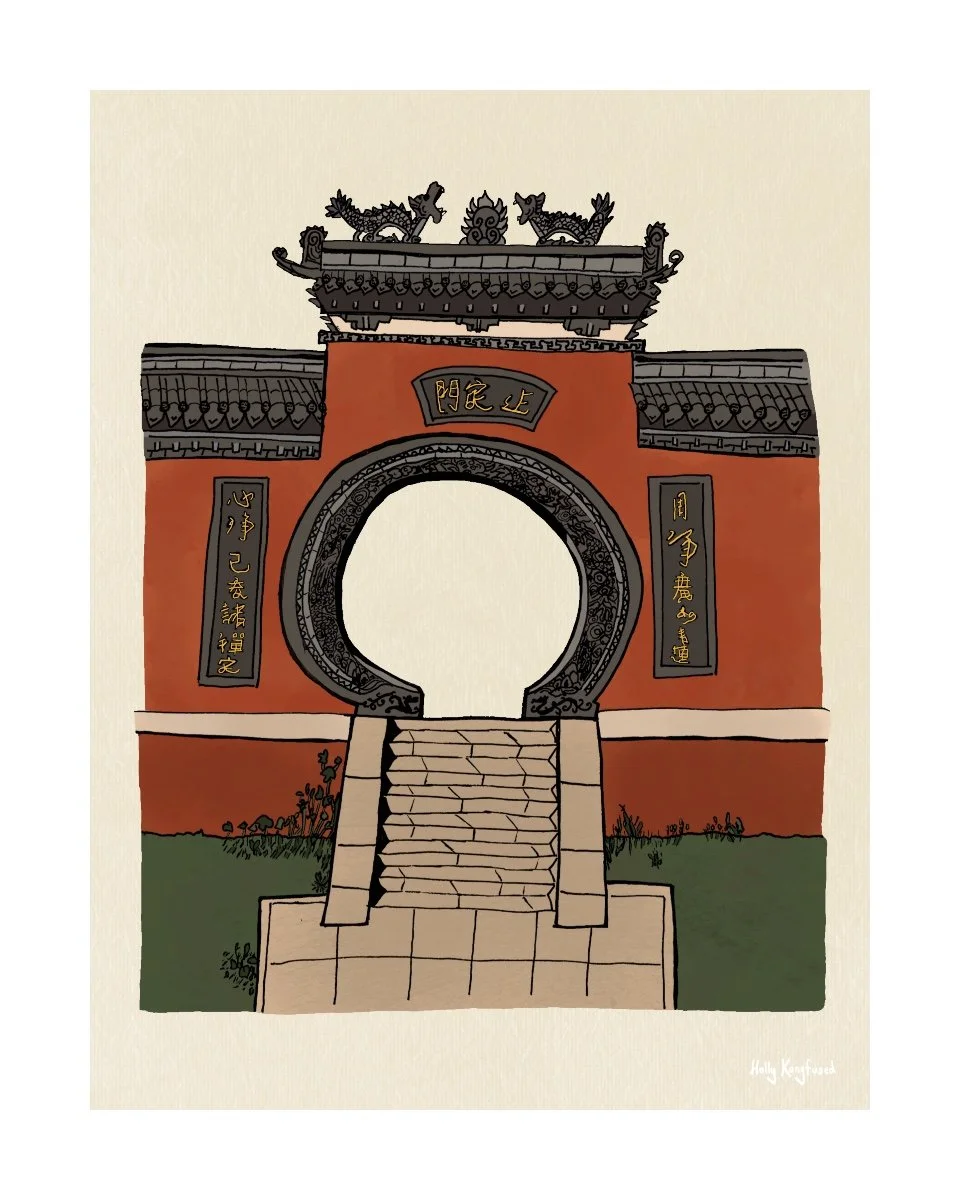
Fawang Moon Gate
Towards the edge of the Fawang Temple are moon gates, with traditional tiled roofs and dragons decorating the top. For many years, the Fawang Temple was home to Kung Fu students who lived and trained there.
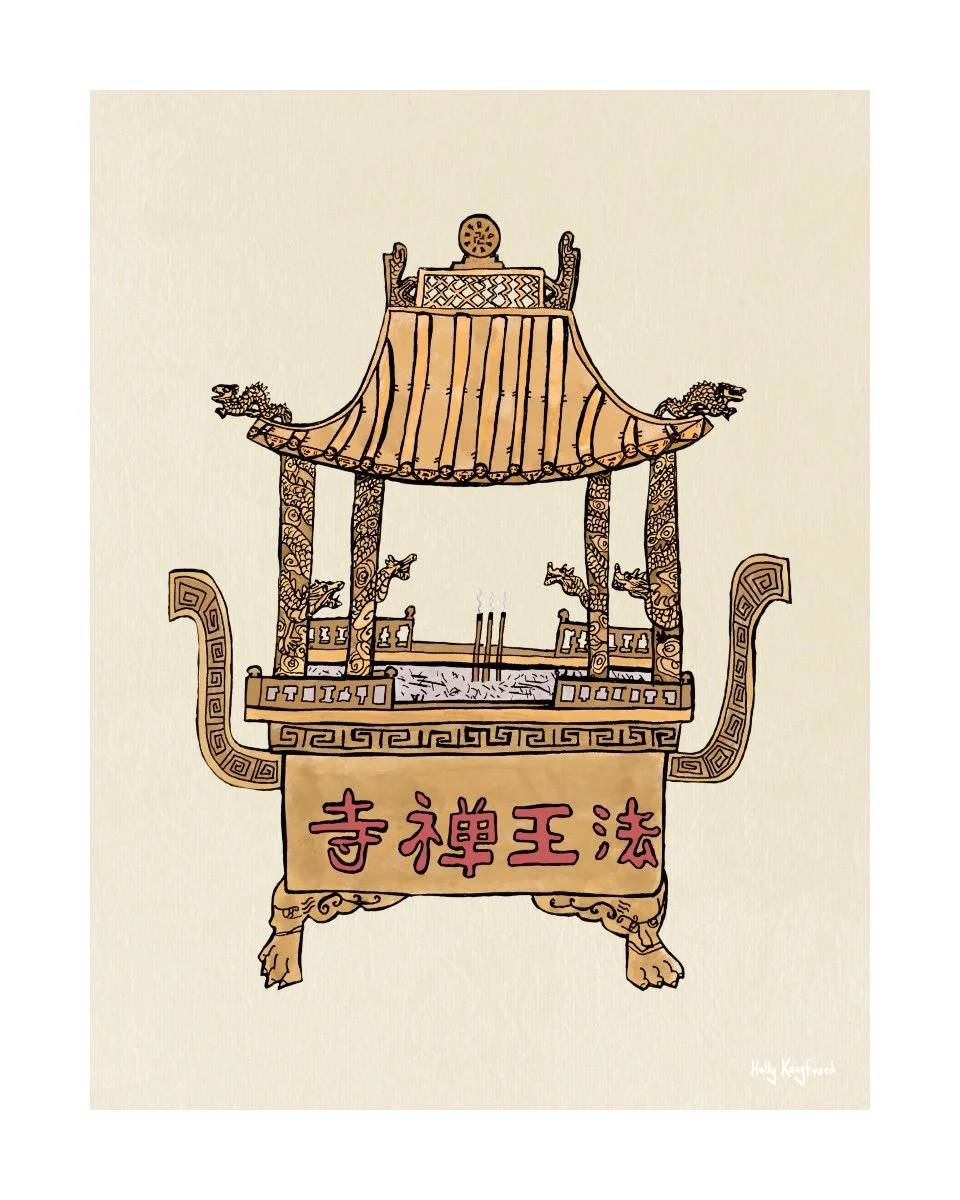
Dharma Blessings
Standing in front of each prayer hall in the temple are large incense holders for giving prayers and blessings. Many people will light incense and bow to pray here for their families and loved ones. There is a feeling of calm surrounding these incense stands.
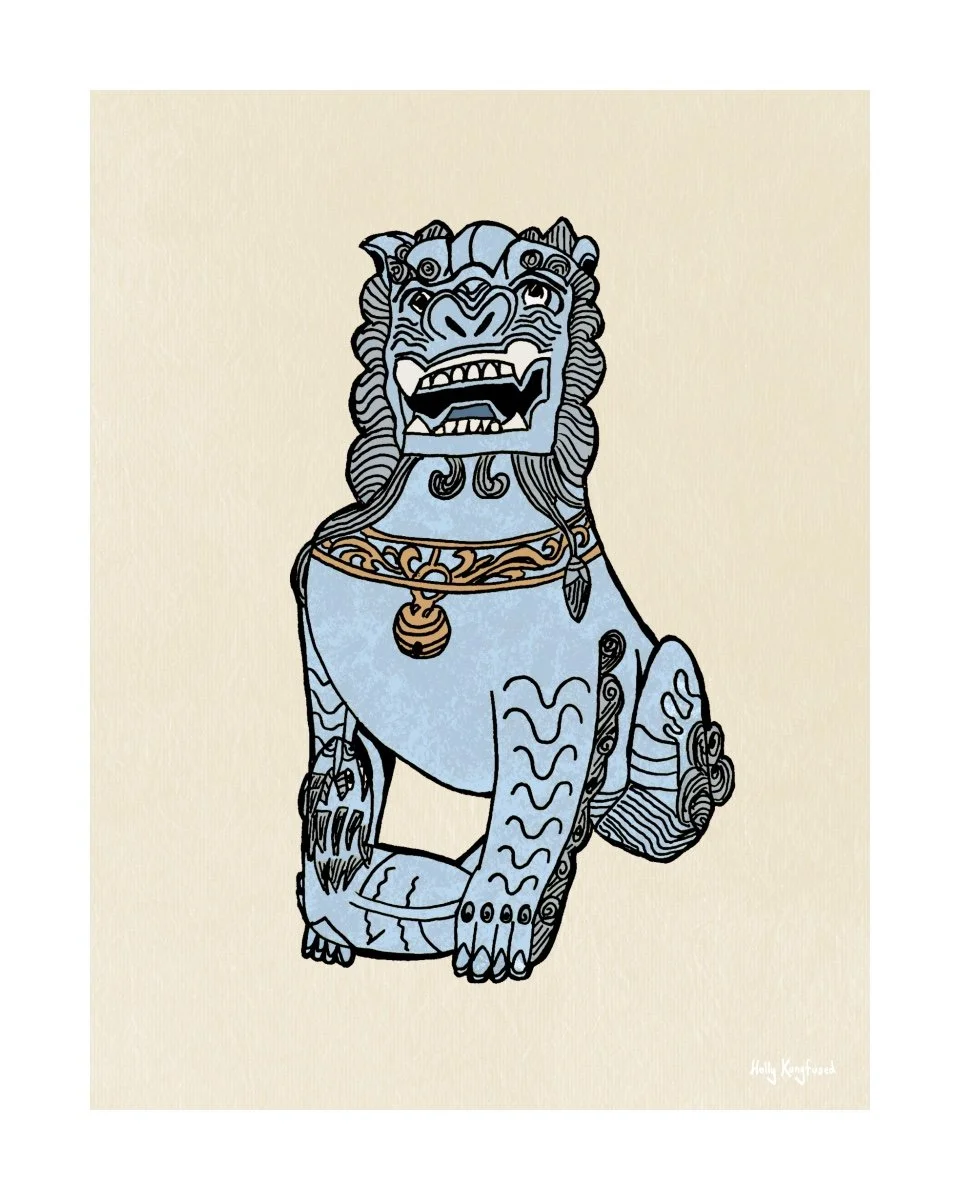
Shaolin Lion
Guarding the temples around China are large stone lions, also known as foo dogs. They are strong presences and are thought to be the guardians of the temples. The vibrant characters of the statues bring the culture to life.
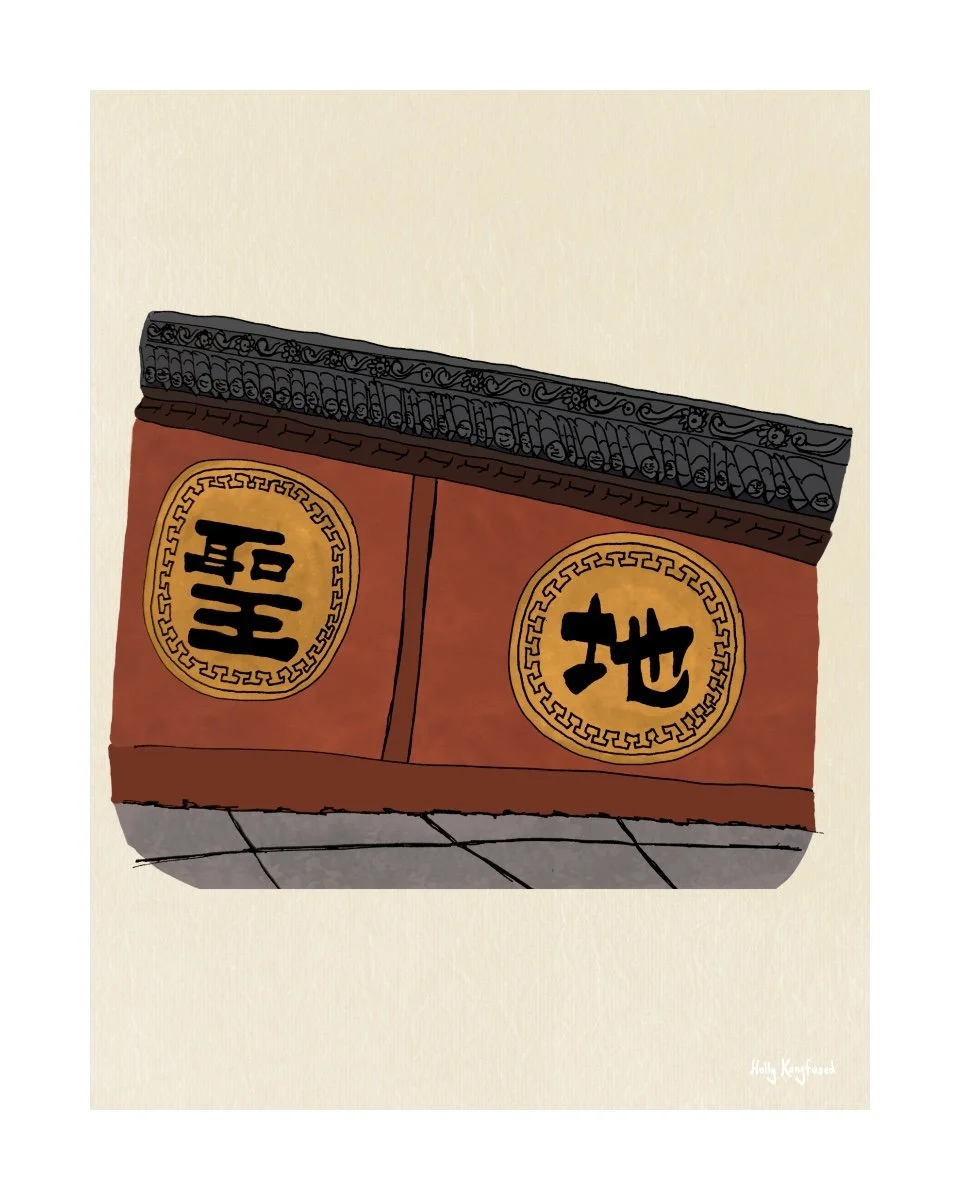
Fawang Wall
Skirting the edges are the walls of the Fawang temple, rich with colour and emblems resembling the historical relevance of Kung Fu within the grounds. The Fawang Temple is thought to be founded in 71 AD, making it almost 2,000 years old.
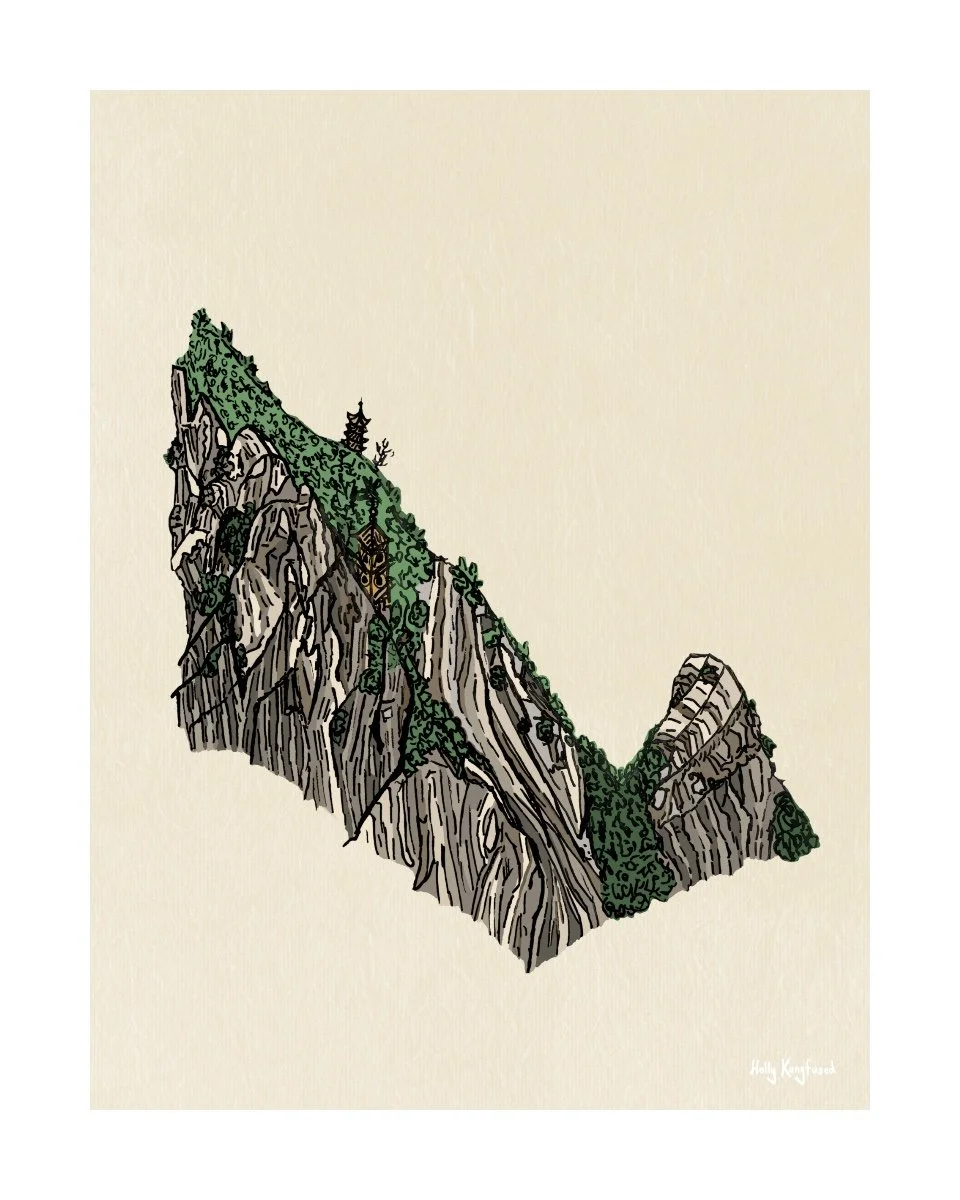
Mount Song
At the top of Shaoshi mountain on Mount Song sits the peak called Lián Tiān Fēng, where the old Sanhuang Village and the monastery resides. The Song mountains are a beautiful sight to behold around the Henan Province. Chinese astronomical mythology believed the area surrounding Mount Song to be "the centre of Heaven and Earth."
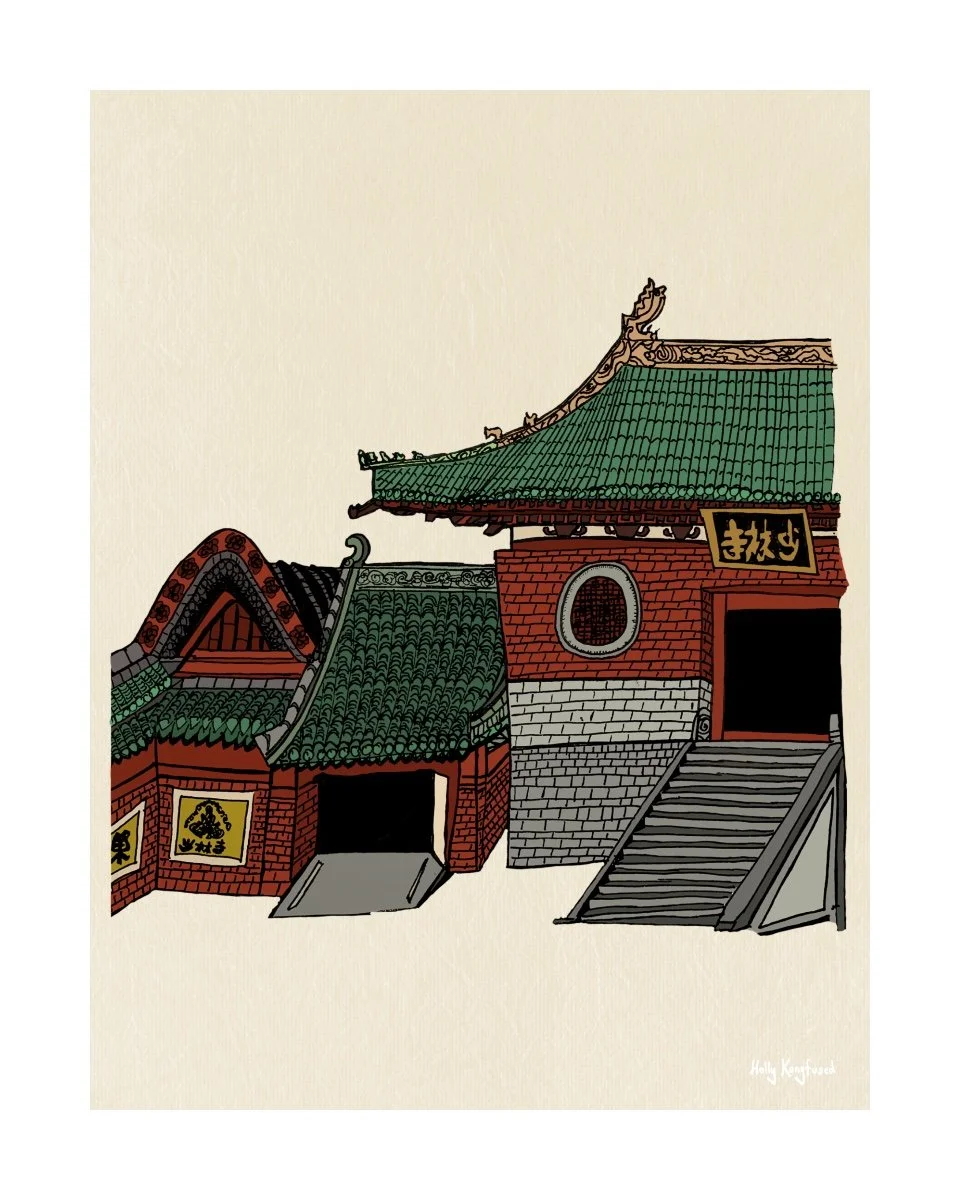
Shaolin Temple
Known as the birthplace of Shaolin Kung Fu, the world famous Shaolin Temple has been visited by warriors, emperors, monks and martial artists alike for hundreds of years. This temple is rich with history and Chinese culture and is truly the home of Shaolin.
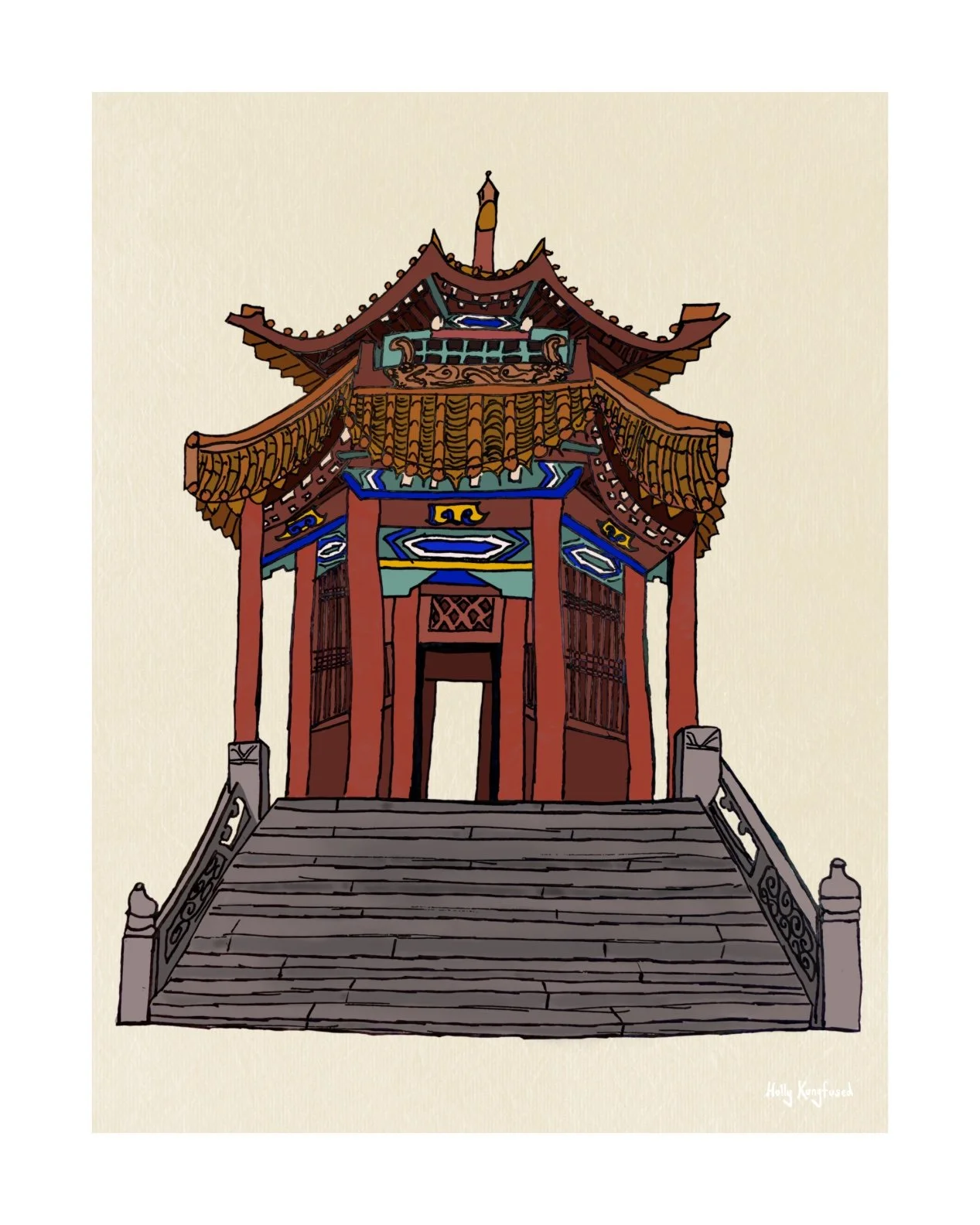
Zhongyue Pavilion
At the opening of Zhongyue Temple stands this beautiful pavilion. Zhonyue is a very old Taoist temple, predicted to be built around 220 BC. The pavilion itself seems to emanate peace, spreading a gentle atmosphere throughout the grounds. I once hid in here from the rain.
Monastery Pot
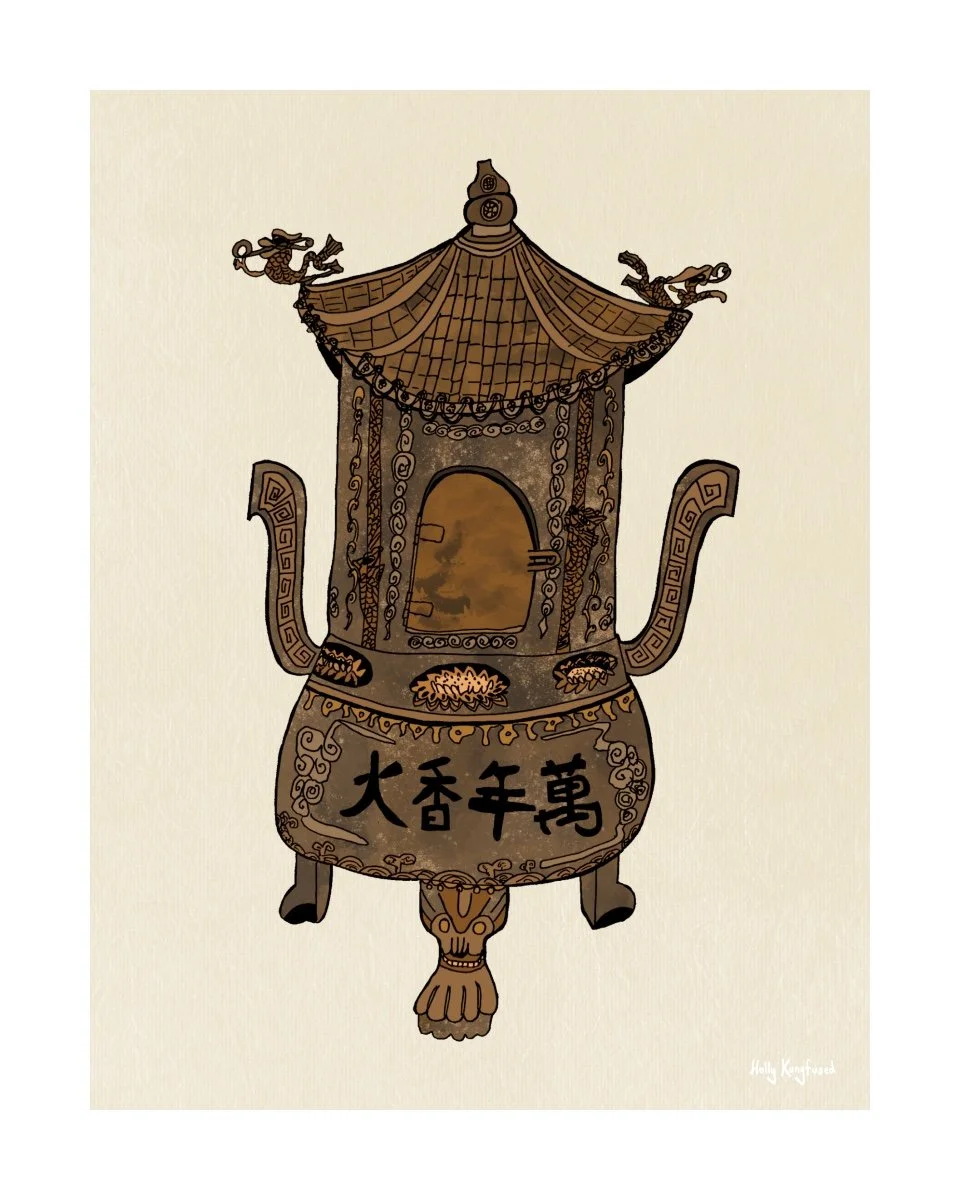
While climbing up Mount Song, on the many stairs leading to the Shaolin Monastery, you will come across a small temple. Stood proudly outside in all of its rustic antiquity is this giant cooking pot, about ten feet tall, surviving through all the many weathers.
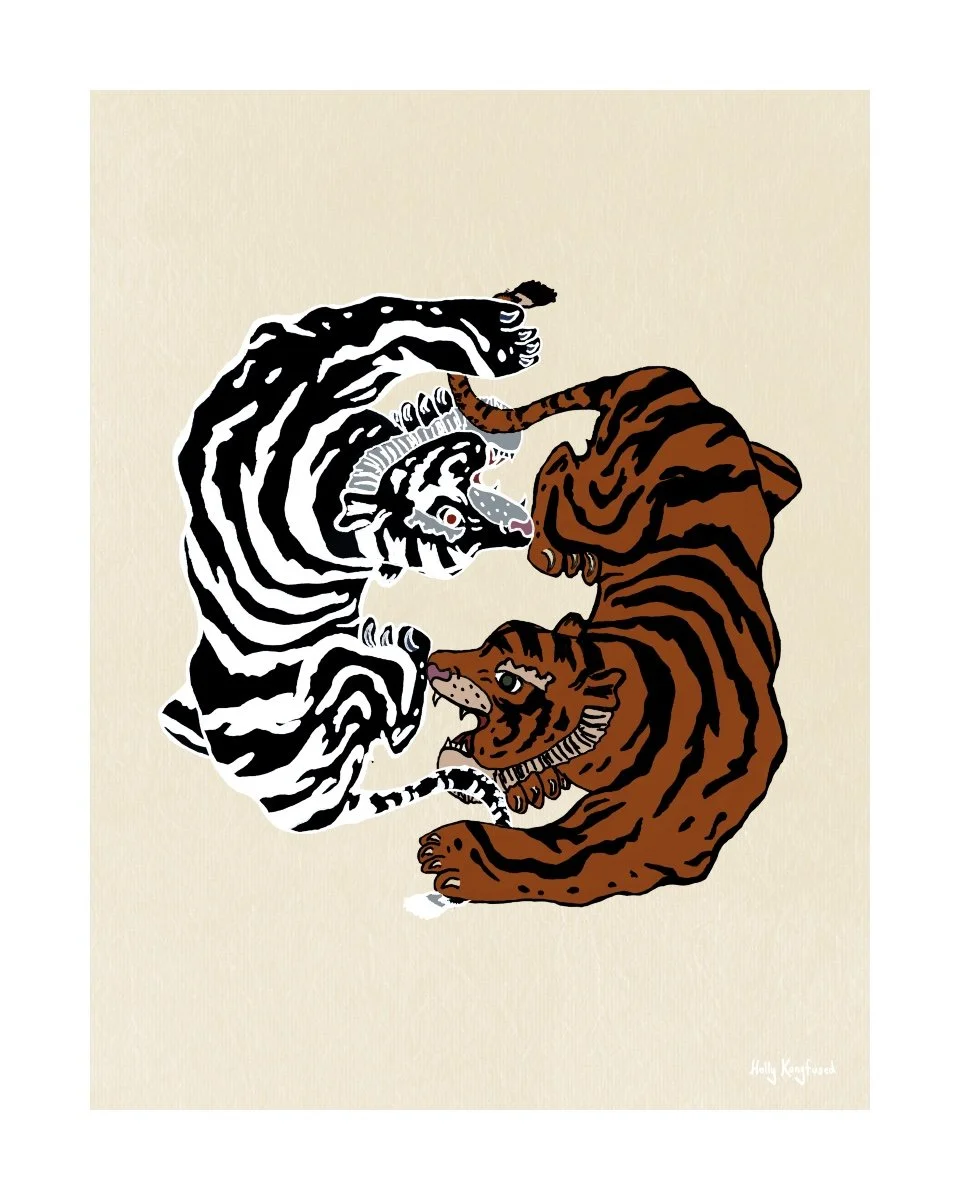
Yin Yang Tigers
The push and pull of two tigers reflecting the balance between the two forces of Yin and Yang. Yin being soft, feminine, water, night; and Yang representing the strong, masculine, fire and day. There is balance in everything.
Note from Holly:
In the future, I might make some of these artworks available to purchase. If this is something you would be interested in, please let me know by adding your name and the piece you like to the mailing list at the end of the ‘Training Resources’ section.
Coming Soon
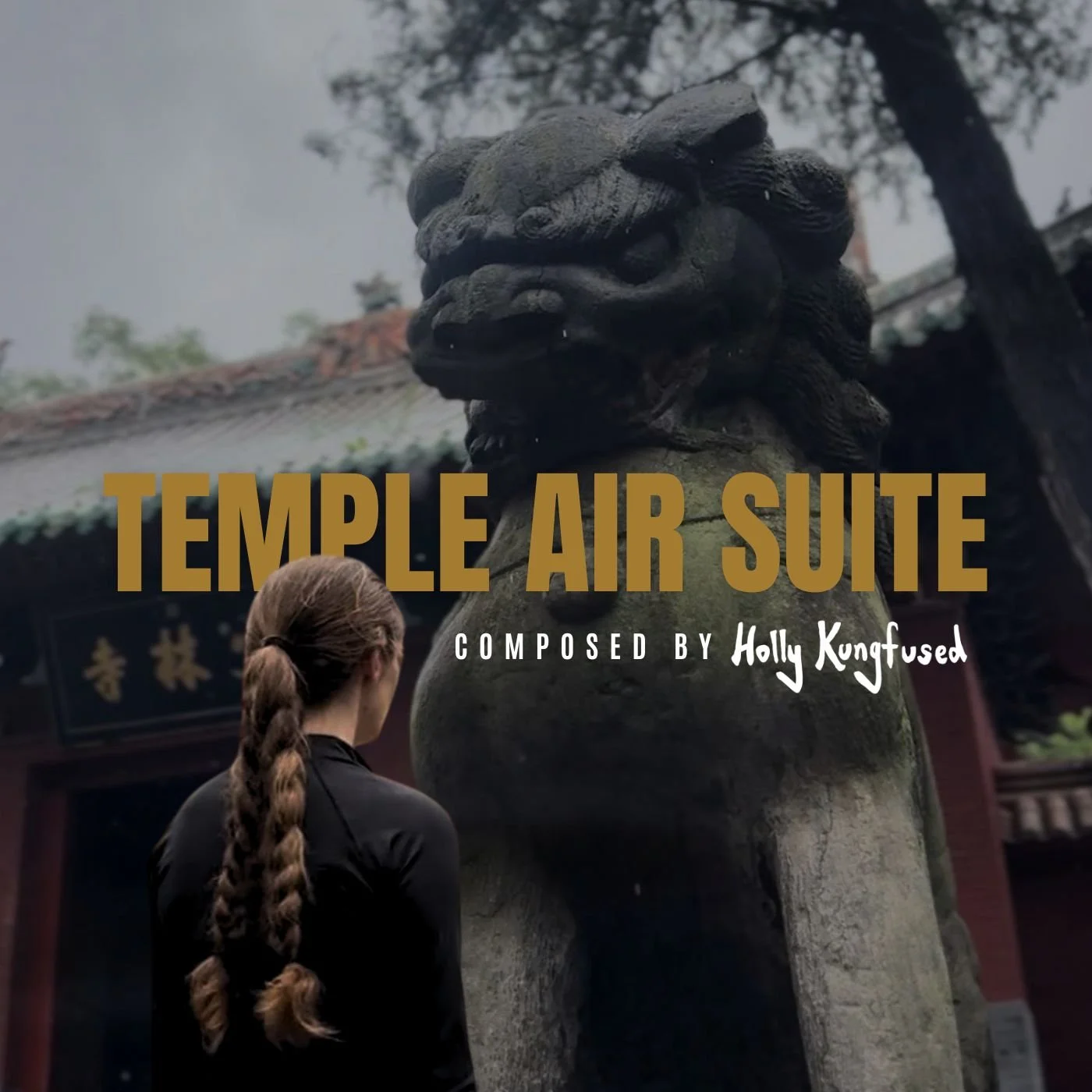
If you’ve been scrolling through the Kungfused Studio, you’re in for some luck. Here’s a surprise I haven’t announced anywhere else yet. What many of you might not know about me, is long before I became a martial artist, I was in fact, a pianist and composer. Having written hundreds of melodies and compositions throughout the years, I decided to dedicate some time in between training to write a small collection of songs reflecting my experiences and personal journey while surrounded by the temples and mountains in China. The genre is cinematic classical piano. It’s gentle, ethereal music to bring both peace and inspiration with my own style and Kung Fu flavour. So I am excited to tell you, that after some time in a recording studio on a grand piano, the music suite is complete.
The album Temple Air Suite will be available on Spotify, Apple Music and other major streaming platforms for you to listen to from October 2026.